Taking a Watercolor Painting Class in the Desert
Have you ever considered the unique experience of taking a watercolor painting class in the desert? This article will guide you through the benefits and joys of merging art with the serene yet vibrant landscape of the desert. Learn how the distinct environment can inspire and challenge you to improve your artistic skills.

Contents
- 1 Why Choose a Desert Setting for Watercolor Painting?
- 2 What to Expect from a Desert Watercolor Class
- 3 Capturing the Desert Landscape
- 4 Inspiration and Personal Growth
- 5 Conclusion
- 6 Frequently Asked Questions (FAQs)
- 6.1 1. What is the best time of year to take a watercolor painting class in the desert?
- 6.2 2. Do I need prior experience in watercolor painting to join these classes?
- 6.3 3. How long do desert watercolor painting classes typically last?
- 6.4 4. Are there any special techniques for preserving watercolor paintings in the desert climate?
- 6.5 5. Can children join watercolor painting classes in the desert?
Why Choose a Desert Setting for Watercolor Painting?
The desert presents a unique setting for watercolor painting. The stark, dramatic landscapes, characterized by vast stretches of sand dunes, rugged terrain, and vibrant sunsets, provide endless inspiration. The arid climate and unique flora and fauna also offer a palette of colors and textures not found in other environments. Painters can experiment with light and shadow in ways that are truly one-of-a-kind. Additionally, the tranquility of the desert allows for focused creativity, away from the distractions of everyday life.
What to Expect from a Desert Watercolor Class
A typical watercolor painting class in the desert includes a series of guided sessions held at various scenic locations. The course often begins with basic techniques, such as layering washes and creating gradients, before moving on to more advanced methods like portraying detailed textures and capturing the interplay of light. Instructors often offer individual critiques and demonstrations, and students may have the opportunity to explore and paint historic sites, rock formations, and native plant life.
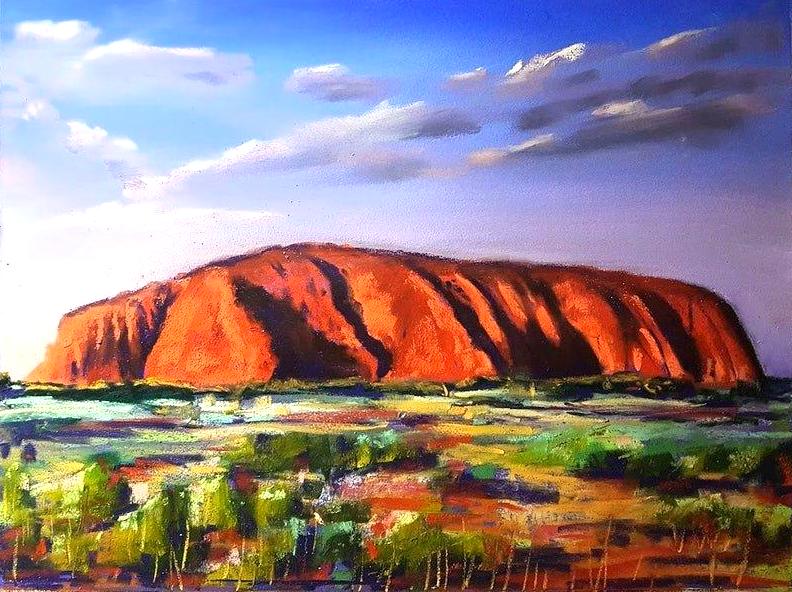
Essential Supplies for Watercolor Painting in the Desert
When preparing for your class, it’s important to gather the essential supplies. Here’s a quick list of what you might need:
- Quality watercolor paints and brushes
- A durable, portable watercolor pad
- Water containers and a spray bottle for keeping your paints moist
- Sunscreen, a wide-brimmed hat, and plenty of water to stay hydrated
- A portable easel or a folding chair for comfort
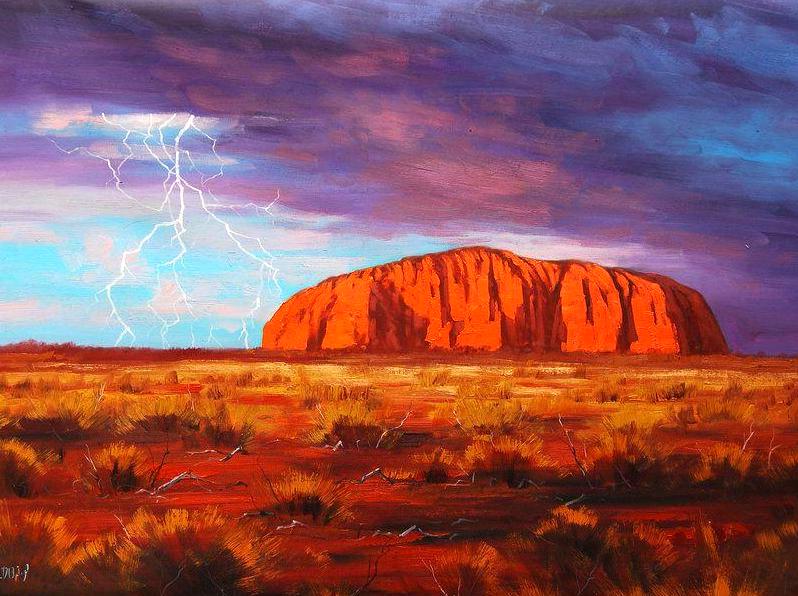
These supplies will ensure you’re prepared for the unique challenges of painting in an outdoor, arid environment, so you can focus on your art without distractions.
Capturing the Desert Landscape
One of the joys of taking a watercolor class in the desert is learning how to capture the essence of the landscape. The desert’s light and color can change dramatically throughout the day, offering myriad opportunities for practice and creativity. Dawn and dusk provide soft, golden hues, while mid-day brings sharp contrasts and deep shadows. Students will learn techniques for capturing these variations and will be encouraged to observe and interpret the world around them in new, artistic ways. Detailed study of native plants and wildlife can also offer interesting subjects that help to hone your skills.
Inspiration and Personal Growth
Painting in a desert setting does more than just enhance your technical skills; it fosters personal growth and inspiration. The act of immersing yourself in such a stark, beautiful setting can shift your perspective and stimulate creativity. Many students find that the solitude and peacefulness of the desert allow them to connect more deeply with their craft. Over time, this intensive focus on observation and expression can lead to a more refined and unique artistic voice. The combination of learning, creating, and reflecting in such a stunning environment can be immensely fulfilling.

Conclusion
Taking a watercolor painting class in the desert is a unique and enriching experience. The dramatic landscapes, coupled with expert instruction, provide an exceptional opportunity to grow both technically and creatively. The essential supplies and techniques you’ll learn will prepare you to capture the beauty of the desert in your art. Embracing this setting will not only enhance your skills but also offer a chance for personal growth and deeper artistic expression.
Frequently Asked Questions (FAQs)
1. What is the best time of year to take a watercolor painting class in the desert?
The best time to take a watercolor class in the desert is during the cooler months, typically from October to April. During this period, you can avoid the extreme summer heat and enjoy more comfortable temperatures for outdoor painting.
2. Do I need prior experience in watercolor painting to join these classes?
Most desert watercolor painting classes are suitable for all levels, from beginners to experienced artists. Instructors often tailor their guidance to the skill level of each participant, ensuring that everyone has a rewarding experience.
3. How long do desert watercolor painting classes typically last?
Class durations can vary but they often span a few days to a week. Some workshops may offer single-day sessions or ongoing weekly classes, depending on the organization hosting the event.
4. Are there any special techniques for preserving watercolor paintings in the desert climate?
To preserve your watercolor paintings in a desert climate, it’s crucial to keep them away from direct sunlight and extreme temperatures. Investing in protective frames and using UV-resistant glass can help extend the longevity of your artwork.
5. Can children join watercolor painting classes in the desert?
Many classes welcome young artists, but it’s always best to confirm with the instructor or organization hosting the class. They can provide specific information on age requirements and any accommodations for younger students.