Photography at Cahills Crossing: Capturing Kakadu’s Beauty
Are you ready to explore the picturesque landscape and diverse wildlife of Cahills Crossing in Kakadu National Park? This stunning area offers unique photo opportunities for both amateur and professional photographers alike. With its breathtaking scenery and abundant wildlife, it’s a haven for capturing the essence of Australia’s natural beauty. From the winding rivers to the vibrant flora, Cahills Crossing is a paradise for anyone looking to enrich their photography portfolio. In this article, we will delve into the unique features of Cahills Crossing, share photography tips, and even guide you on how to edit and share your images. Get ready to uncover the secrets of effective photography in this remarkable location.
Contents
The Allure of Cahills Crossing
Unique Ecosystem and Wildlife
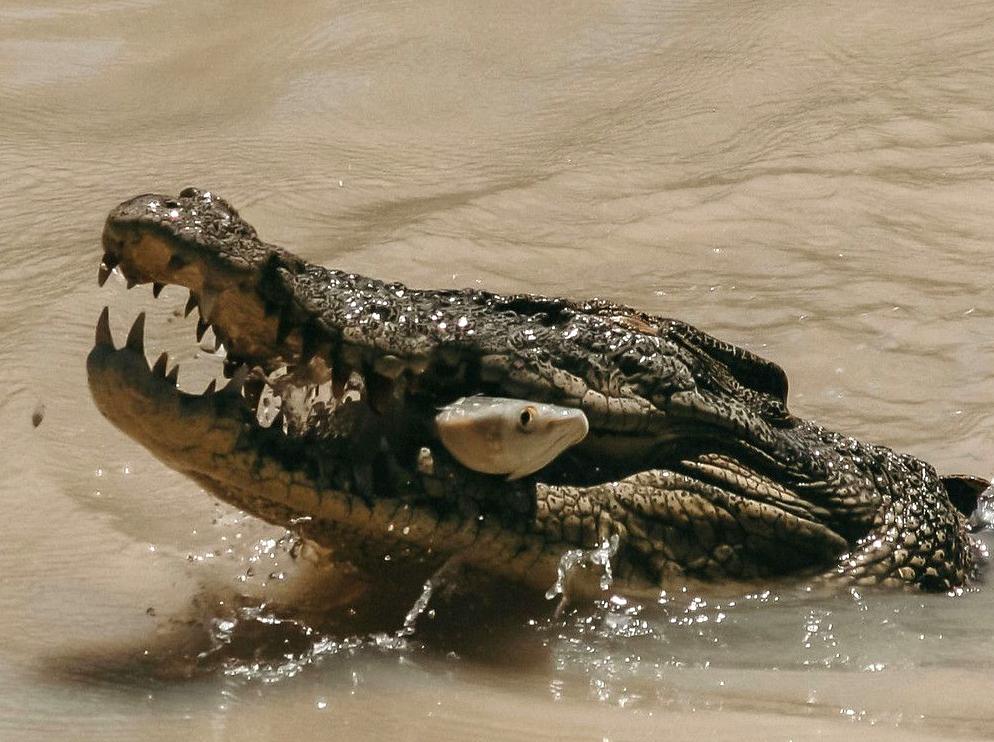
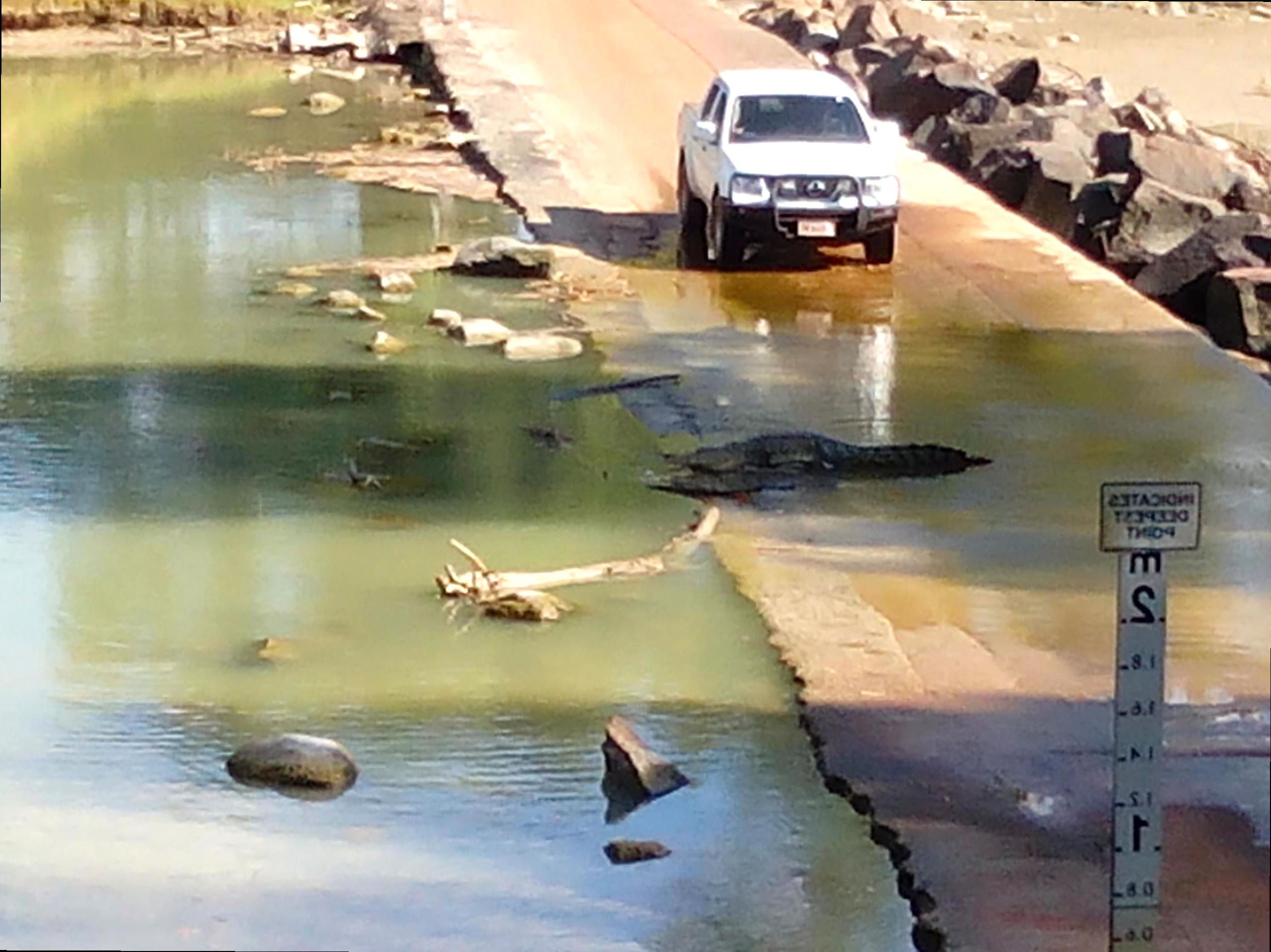
Cahills Crossing is not just a scenic spot; it is a thriving ecosystem teeming with wildlife. Photographers can expect to encounter a range of species, including saltwater crocodiles, various birds, and wallabies, especially during the cooler months. The area’s diverse animal life creates a rich tapestry of opportunities for stunning wildlife photography. To make the most of your time, you should plan your visits around the peak activity hours of the wildlife. Early mornings and late afternoons generally provide the best chance to capture animals in action, allowing you to create dynamic and engaging images. The vibrant colors of the landscape during these hours further enhance your photographs.
Breathtaking Landscapes
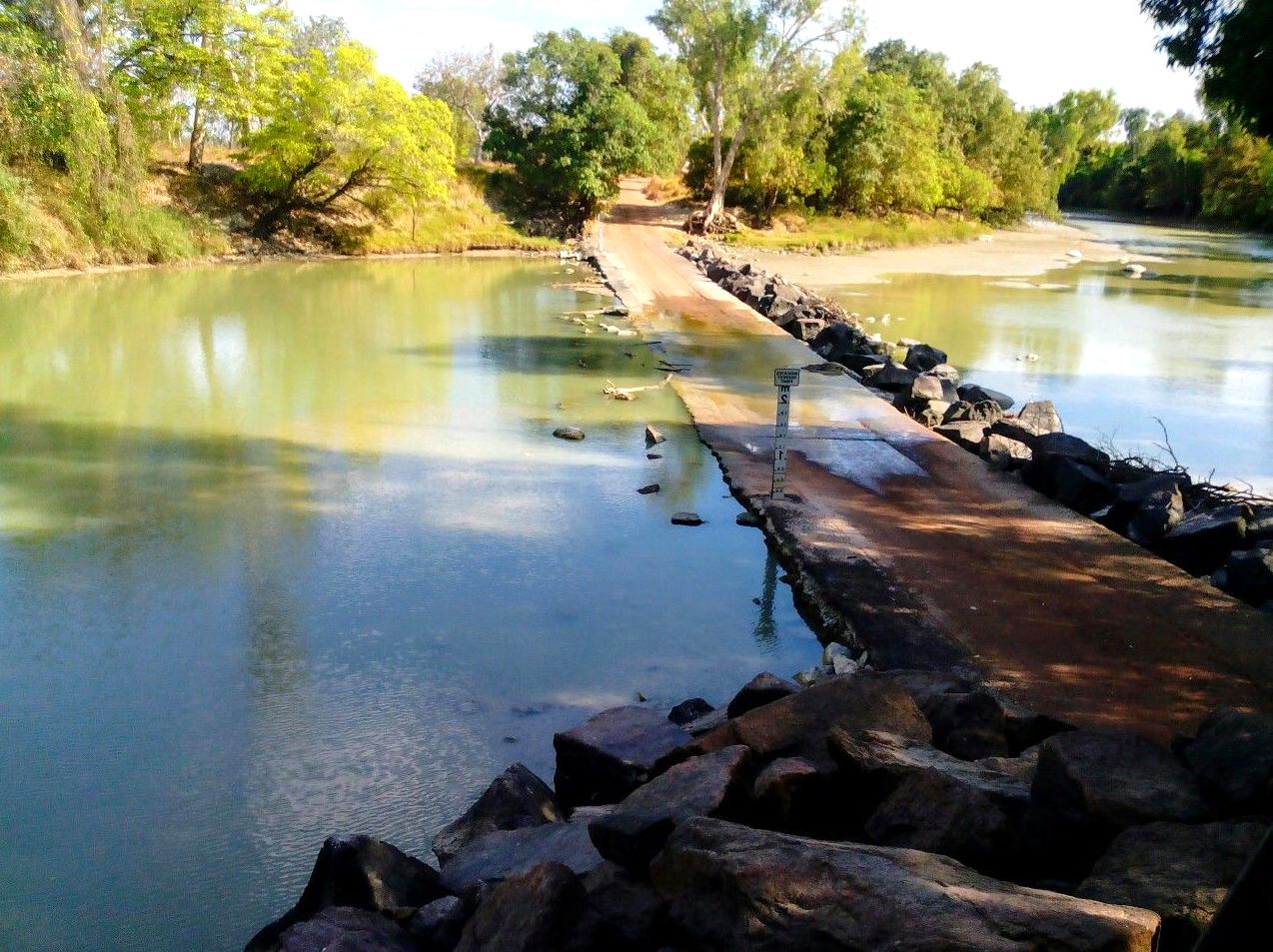
One of the most compelling factors of photographing at Cahills Crossing is the extraordinary landscapes that surround you. With expansive floodplains shimmering waters striking sunsets there are plenty things for your camera lens to capture here! Understanding composition and rule-of-thirds will help you create balanced visually appealing images. Utilize leading lines such as pathways or water reflections that guide viewer’s eye through your photographs. To elevate your landscape photography, shoot during the golden hour when the light is soft and warm, offering a magical quality to your images. Familiarize yourself with the best vantage points in advance so you don’t miss out on that perfect shot.
Photography Tips for Cahills Crossing
Best Times to Shoot
Timing is everything in photography, and this is especially true at Cahills Crossing. Make sure to plan your shoots during the golden hour, shortly after sunrise and before sunset, for the best lighting. During these times, colors are vibrant, and shadows are soft, enhancing the overall feel of your photography. Additionally, consider the seasonal variations—different times of year might present unique landscapes and wildlife opportunities. In the wet season from November to March, there can be lush landscape with abundant greenery while dry season from May to October reveals clearer skies and easier wildlife spotting. Remember that each visit will bring different scenery so embrace it.
Equipment Recommendations
To capture the beauty of Cahills Crossing effectively, having the right equipment is crucial. Here’s a list of recommended gear:
- A DSLR or mirrorless camera with interchangeable lenses for versatility.
- A zoom lens (e.g., 70-200mm) to get close to the wildlife without disturbing them.
- A wide-angle lens (e.g., 16-35mm) for landscapes and expansive vistas.
- A sturdy tripod for stability during low-light conditions.
- Polarizing filters to enhance colors and reduce reflections.
Ethical Photography Practices
As a responsible photographer respecting wildlife and environment is paramount.
Here are some ethical photography practices to keep in mind:
- Maintain a safe distance from wildlife to avoid stressing them.
- Do not feed the animals, as this alters their natural behavior.
- Stick to marked trails to minimize your impact on the environment.
- Leave no trace; pack out everything you bring in.
- Educate yourself on local wildlife and their habitat needs.
Editing and Sharing Your Photos
Basic Photo Editing Techniques
Once you’ve captured stunning images at Cahills Crossing, the next step is to enhance them through editing. Popular software options like Adobe Lightroom and Photoshop provide powerful tools for adjusting exposure, color balance, and sharpness. Basic editing techniques include cropping to improve composition, adjusting brightness and contrast to elevate image quality, and applying saturation to make colors pop. Learning these editing fundamentals will significantly improve the overall impact of your photographs. It’s also essential to ensure your editing maintains the integrity of the original scene—natural beauty should shine through your enhancements.
Sharing Your Work
Photographs are meant to be shared, and there are numerous platforms to showcase your work. Social media sites like Instagram and Facebook are excellent for quick sharing, while dedicated photography communities such as 500px or Flickr offer opportunities for feedback and networking. Additionally, consider creating a personal website or blog to showcase your portfolio professionally. Engaging with fellow photographers can also provide valuable critiques and support as you grow your skills. Remember, sharing your photography not only connects you with others but also inspires people to appreciate the stunning landscapes and wildlife of places like Cahills Crossing.
| Photography Tips | Details |
|---|---|
| Golden Hour Shooting | Best lighting occurs shortly after sunrise and before sunset. |
| Wildlife Timing | Early mornings and late afternoons are ideal for active wildlife. |
| Equipment Essentials | DSLR or mirrorless, zoom and wide-angle lenses, tripod, and filters. |
Conclusion
Photography at Cahills Crossing is a unique experience that allows you to capture the breathtaking beauty of Kakadu National Park. With its diverse ecosystem and enchanting landscapes, it’s a dream destination for photographers of all levels. By utilizing the right equipment, planning your shoots carefully, and adhering to ethical photography practices, you can create stunning images that not only showcase this natural wonder but also inspire others to appreciate our environment. So grab your camera and embark on a photographic adventure—Cahills Crossing awaits!
FAQs
- Q1: What is the best time of year to visit Cahills Crossing for photography?
- A1: The best time to visit is during the dry season (May to October) when wildlife is more active and landscapes are vibrant.
- Q2: Can I use drones for photography at Cahills Crossing?
- A2: Drones are not permitted in most parts of Kakadu National Park due to wildlife and environmental protection guidelines.
- Q3: Are there any guided photography tours available in Kakadu?
- A3: Yes, several companies offer guided photography tours specializing in wildlife and landscape photography, providing valuable tips and knowledge.
- Q4: What wildlife can I expect to see while photographing at Cahills Crossing?
- A4: Cahills Crossing is known for its saltwater crocodiles, various bird species, and wallabies, especially during the cooler months.
- Q5: Do I need a permit to photograph in Kakadu National Park?
- A5: No photography permits are required for general photography; however, commercial photographers may need to obtain a permit.
Make sure you always check the current regulations.